
title

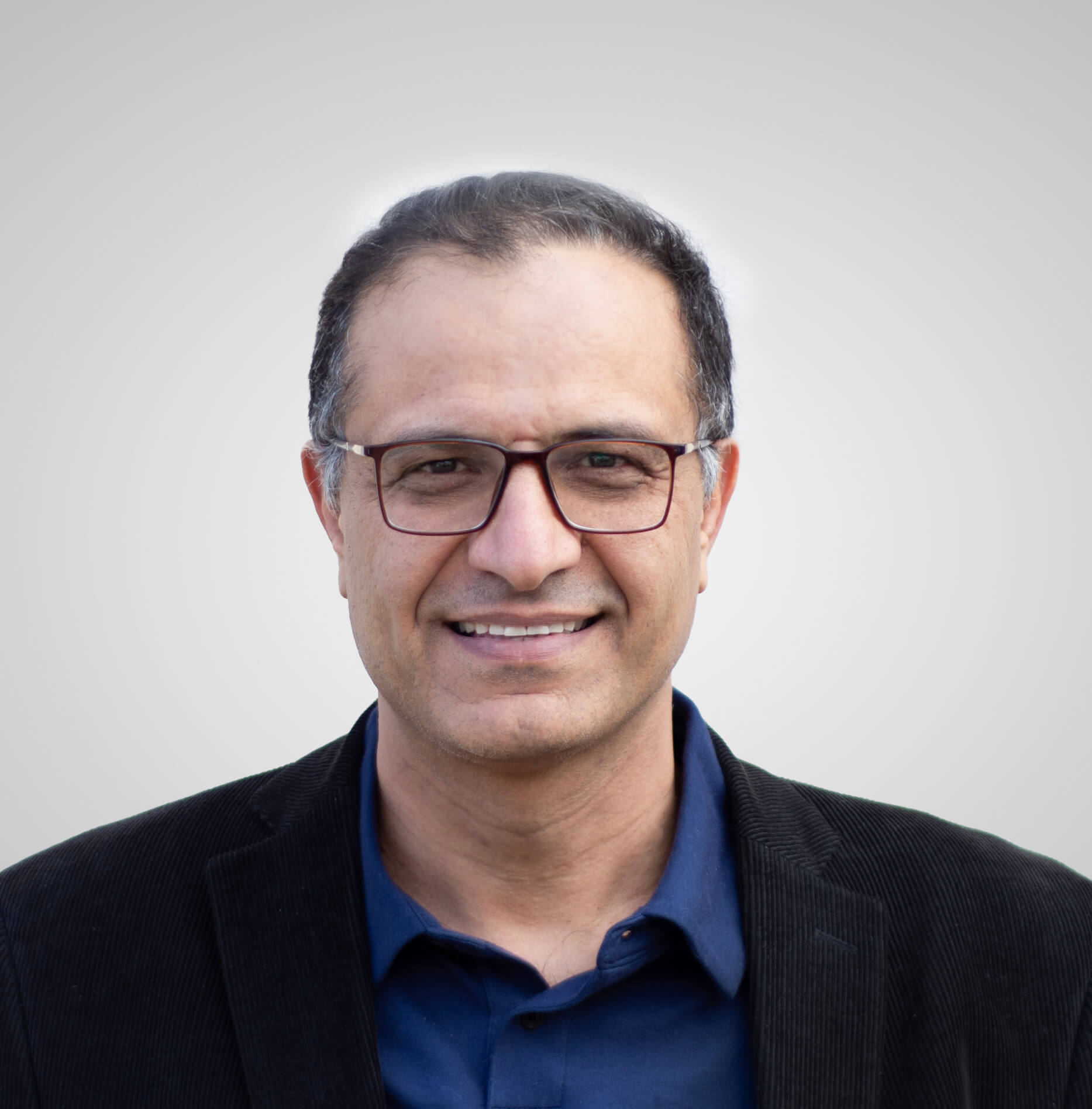
Mohammad H. Mahoor, Ph.D.

Professor of Computer Science at the University of Denver

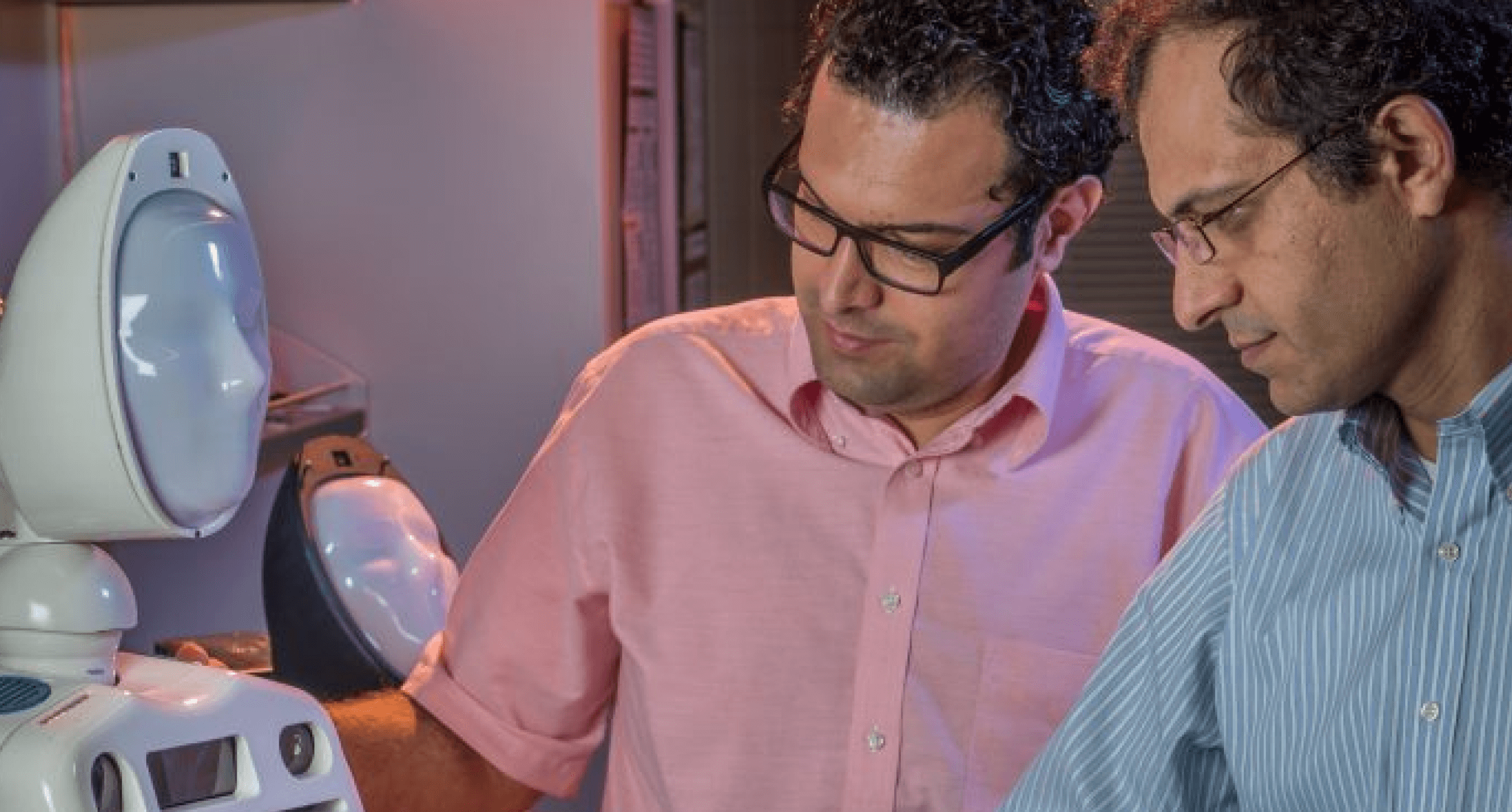
As the Director of Artificial Intelligence and Social Robotics Lab, Dr. Mohammad Mahoor directs pioneering research at the intersection of AI, computer vision, and socially assistive robotics. Under his leadership, the Artificial Intelligence and Social Robotics Lab strives to integrate emotional intelligence into technology, creating solutions that advance human-robot interaction and enhance the quality of life. Our mission is to develop innovative, human-centered tools that foster empathy, empowerment, and meaningful engagement between people and machines.

portfolio

Databases

AffectNet/Affect+: A Database for Facial Expression, Valence, and Arousal Computing in the Wild

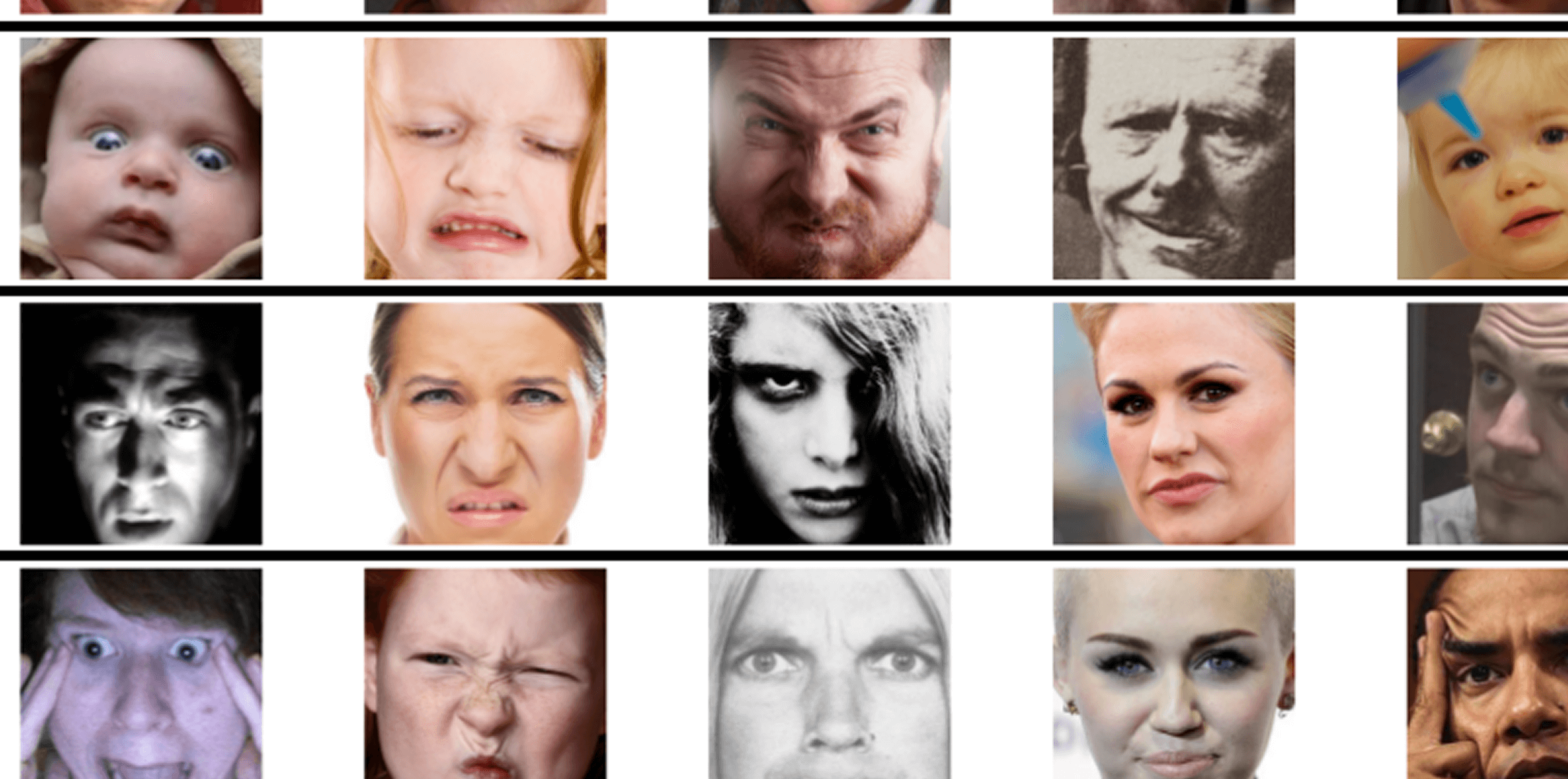
AffectNet and AffectNet+ are large-scale facial expression datasets designed to advance affective computing research across both categorical emotion recognition and continuous valence–arousal modeling. Together, they comprise over one million facial images collected from the internet using 1,250 emotion-related keywords in six languages, with approximately 440,000 images manually annotated in the original AffectNet for seven discrete facial expressions and valence–arousal intensity.

AffectNet+ builds on this foundation by reprocessing the entire dataset to provide improved annotation reliability through soft emotion labels and enriched metadata, while preserving the original scale and diversity.

Ali Pourramezan Fard, Mohammad Mehdi Hosseini, Timothy D. Sweeny, and Mohammad H. Mahoor, "AffectNet+: A Database for Enhancing Facial Expression Recognition With Soft-Labels,” IEEE Transactions on Affective Computing, November 2025: 10.1109/TAFFC.2025.3634523

Databases

AffectNet+: A Database for Enhancing Facial Expression Recognition with Soft-Labels

AffectNet+ is a large-scale extension of the original AffectNet dataset that introduces soft emotion labels and rich metadata for approximately one million facial images. Using an ensemble of state-of-the-art expression recognition models, AffectNet+ generates plausible emotion probability vectors for all samples, explicitly modeling annotation uncertainty. The dataset also provides automatically extracted demographic attributes, facial embeddings, and landmark structures, enabling research on fairness, robustness, and dataset bias. Models trained on AffectNet+ demonstrate improved accuracy, calibration, and reduced demographic bias compared to those trained on hard-label annotations, establishing AffectNet+ as a new benchmark for facial-expression recognition.

A.P. Fard, M.M. Hosseini, T.D. Sweeny, and M.H. Mahoor, “AffectNet+: A Database for Enhancing Facial Expression Recognition With Soft-Labels,” IEEE Transactions on Affective Computing, November 2025: https://ieeexplore.ieee.org/document/11259096

AffectNet/Affect+: A Database for Facial Expression, Valence, and Arousal Computing in the Wild

AffectNet and AffectNet+ are large-scale facial expression datasets designed to advance affective computing research across both categorical emotion recognition and continuous valence–arousal modeling. Together, they comprise over one million facial images collected from the internet using 1,250 emotion-related keywords in six languages, with approximately 440,000 images manually annotated in the original AffectNet for seven discrete facial expressions and valence–arousal intensity.

AffectNet+ builds on this foundation by reprocessing the entire dataset to provide improved annotation reliability through soft emotion labels and enriched metadata, while preserving the original scale and diversity.

Ali Pourramezan Fard, Mohammad Mehdi Hosseini, Timothy D. Sweeny, and Mohammad H. Mahoor, "AffectNet+: A Database for Enhancing Facial Expression Recognition With Soft-Labels,” IEEE Transactions on Affective Computing, November 2025: 10.1109/TAFFC.2025.3634523

DISFA & DISFA+: Dynamic Intensity of Facial Action Units

DISFA and DISFA+ are benchmark databases used to detect the intensity of facial Action Units (AUs) from spontaneous facial expressions. DISFA+ includes additional annotations for valence and arousal, which are useful for modeling continuous dimensional affect.

These databases have supported numerous research studies on automatic Action Unit detection and the interpretation of facial expressions in the context of emotional responses.

RyanSpeech: Speech Emotion Dataset

RyanSpeech is a high-quality male speech corpus designed for text-to-speech (TTS) research. Unlike many publicly available TTS corpora, it features over 10 hours of a professional male voice actor's speech recorded at 44.1 kHz, derived from real-world conversational settings. Optimized for developing TTS systems in real-world applications, RyanSpeech has been used to train state-of-the-art speech models, achieving a 3.36 mean opinion score (MOS) in its best model.

OutFin: A Financial Data Analysis Dataset

Fingerprint-based positioning is emerging as a reliable alternative to GPS and cellular localization in urban areas. However, the lack of public datasets limits research in this field. To address this, we introduce OutFin—a comprehensive outdoor fingerprint dataset collected using two smartphones. It includes WiFi, Bluetooth, and cellular signals, along with sensor data from the magnetometer, accelerometer, gyroscope, barometer, and ambient light sensor. Data was gathered from 122 reference points across four distinct sites, each with unique GNSS visibility and layout. Prior to release, OutFin underwent rigorous testing to ensure data quality, making it a valuable resource for advancing fingerprint-based positioning research.

Research Areas

Computer Vision and Pattern Recognition
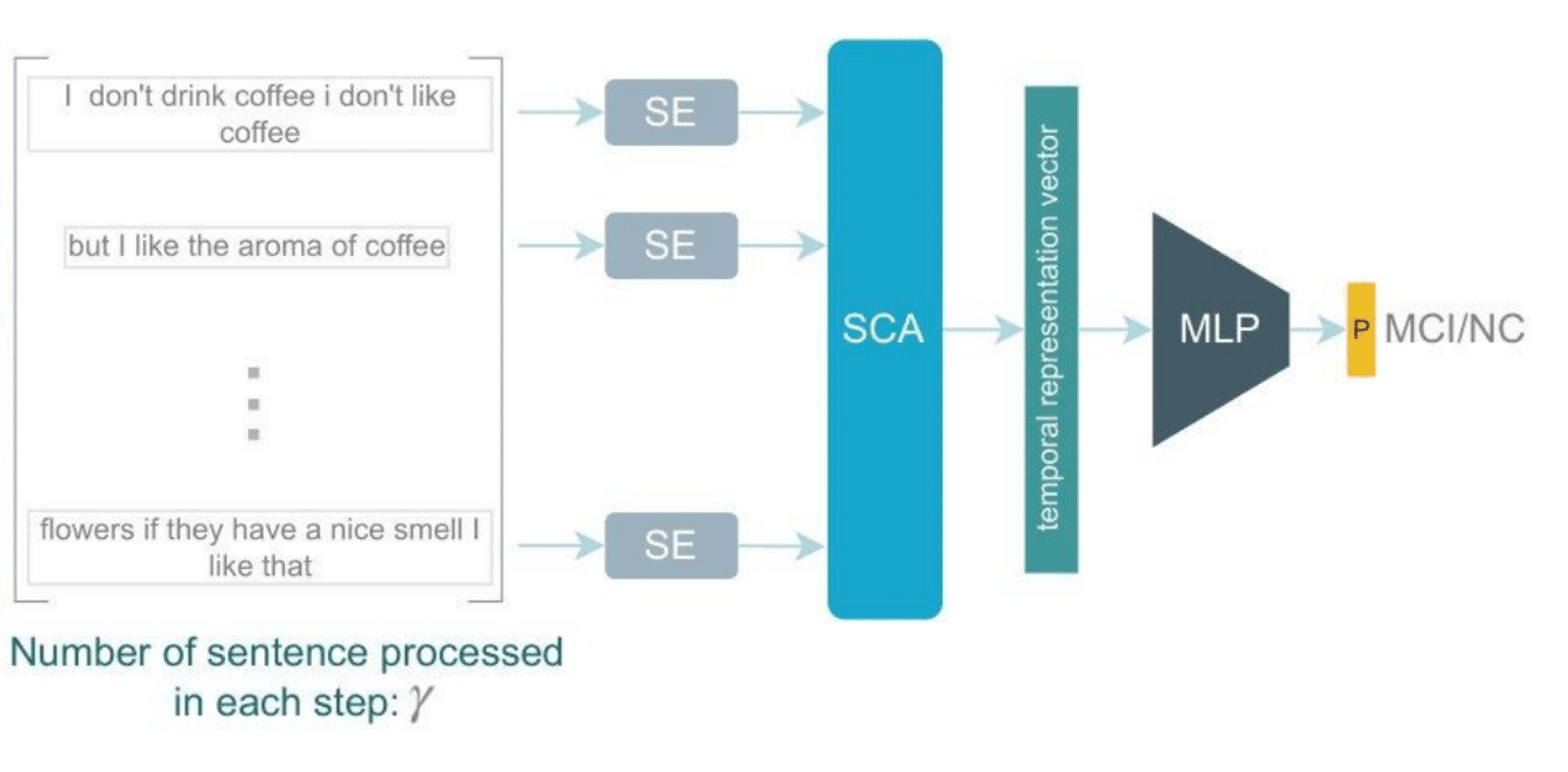
Mild Cognitive Impairment Detection using AI
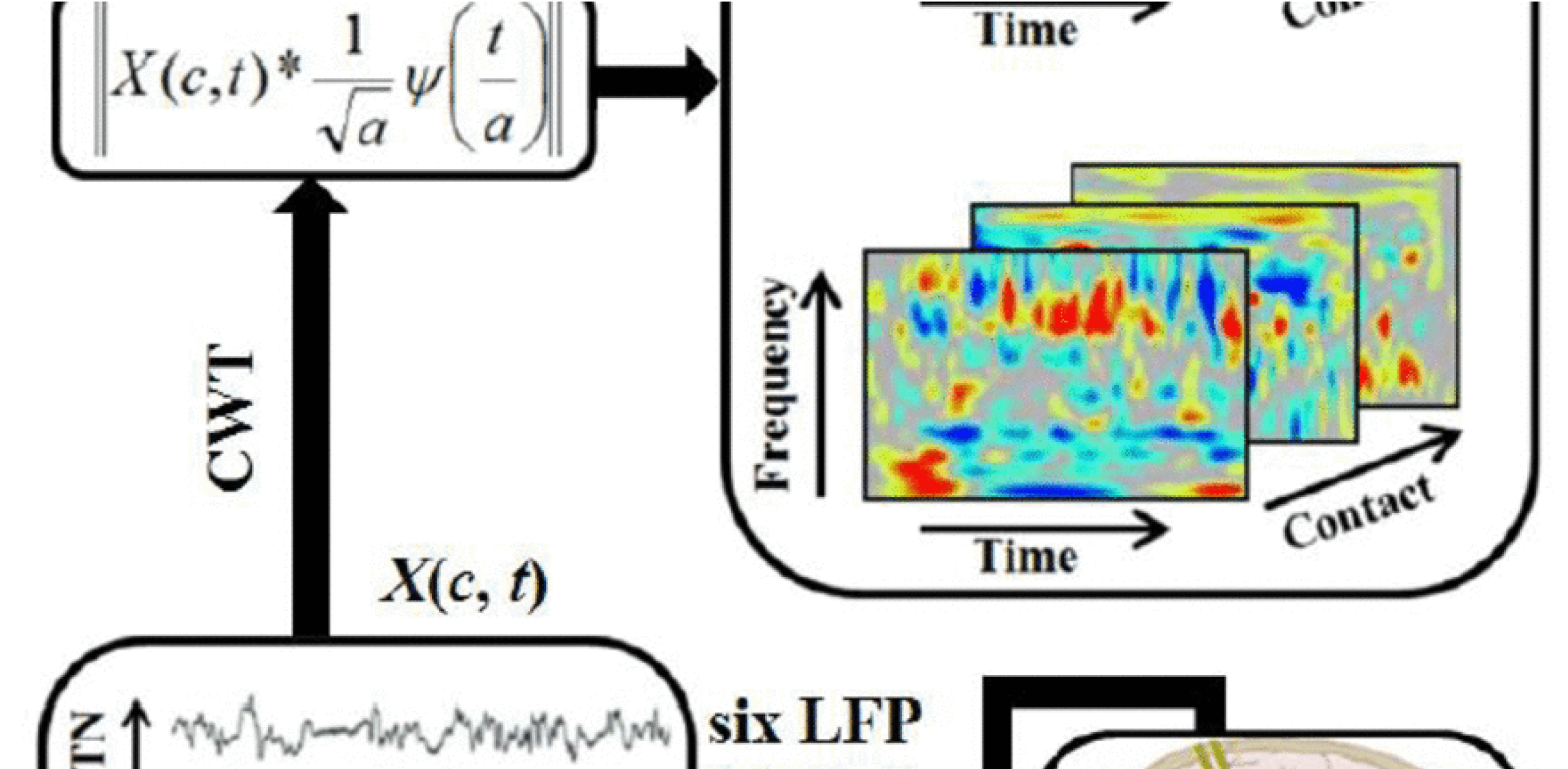
Brain and Human-Computer Interfacing
Socially Assistive Robotics
Machine Learning and Deep Learning
Large Language Models and NLP
Affective Computing

Learn More About My Research

Explore

Select Publications

See All Publications On Google Scholar

  • 3.

    A. Mollahosseini, B. Hasani, and M. H. Mahoor, "AffectNet: A Database for Facial Expression, Valence, and Arousal Computing in the Wild", IEEE Transactions on Affective Computing, vol. 10, no. 1, pp. 18–31, 2017. DOI: 10.1109/TAFFC.2017.2740923

  • 2.

    S. M. Mavadati, M. H. Mahoor, K. Bartlett, P. Trinh, and J. F. Cohn, "DISFA: A Spontaneous Facial Action Intensity Database", IEEE Transactions on Affective Computing, vol. 4, no. 2, pp. 151–160, 2013. DOI: 10.1109/T-AFFC.2013.4

  • 1.

    R. Zandie, M. H. Mahoor, J. Madsen, and E. S. Emamian, "RyanSpeech: A Corpus for Conversational Text-to-Speech Synthesis", arXiv preprint arXiv:2106.08468, 2021. DOI: https://arxiv.org/abs/2106.08468